
In North Dakota, 1 in 9 children will experience abuse before their 18th birthday. While not every child will face trauma at that level, all children experience stress, big emotions, and challenges as they grow. Research shows that early experiences—both positive and negative—play a powerful role in shaping a child’s mental and physical health over time. That’s why building strong emotional skills early on is so important.
Caregivers play a critical role in helping children learn how to understand and manage their emotions. Simple, consistent support at home can strengthen a child’s ability to cope with stress, build resilience, and feel safe expressing their feelings. At the DCAC, we see firsthand how these skills can support healing for children who have experienced trauma—but they are just as valuable for every child.
Box Breathing
This is a simple technique that helps regulate the body’s stress response. Breathe in, hold, breathe out, and hold again—each for a count of four. Encourage children to imagine tracing the four sides of a square. This steady rhythm can slow the heart rate and promote a sense of calm.
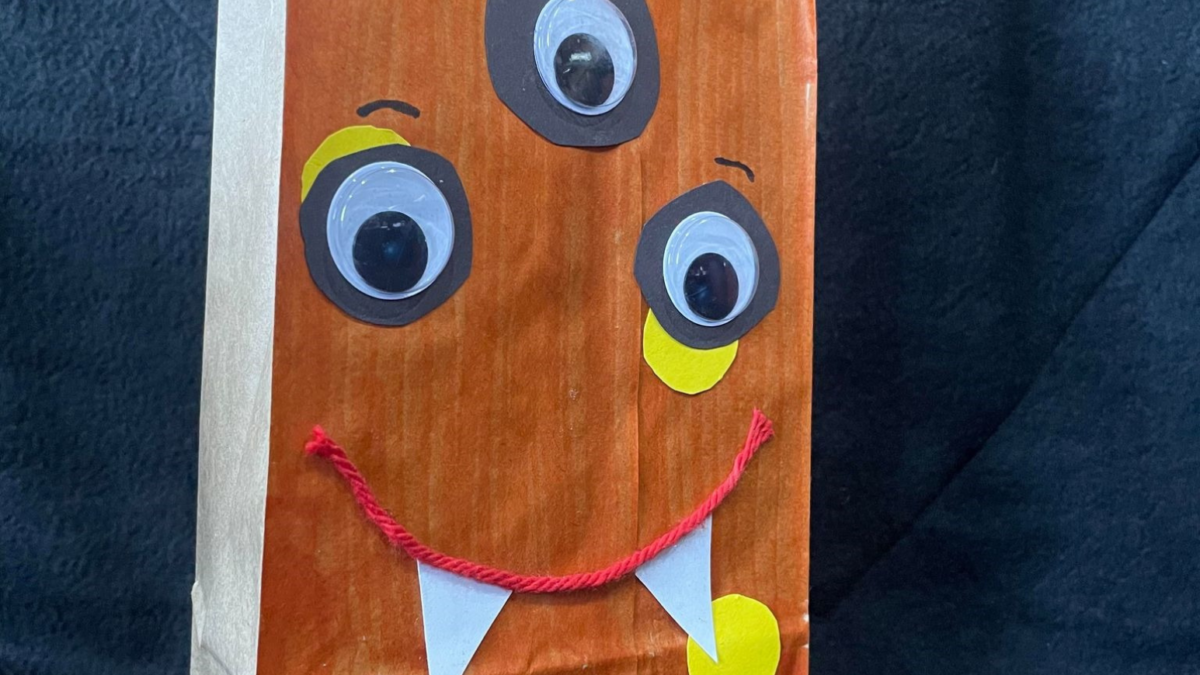
Worry Monster
Children often struggle to manage big emotions, especially worry. Naming those worries can help shift them from an emotional reaction to more logical thinking. Have a child decorate a small paper bag like a friendly “monster.” As worries come up, write them down and let the child “feed” them to the monster to help release and process those feelings.
Supporting a child’s mental health doesn’t require perfection—just consistency, patience, and care. Small, intentional moments like these can help children feel safe, understood, and better equipped to navigate their emotions.
Check out all our family activities that strengthen parent-child connections here!